Insights · September 22, 2026
How to Get Cited by ChatGPT, Perplexity, and Claude
A practical guide to earning citations inside ChatGPT, Perplexity, and Claude answers, from source selection to the PR tactics that put your brand in the reply.
By Samuel Edwards · Senior PR Strategist

Most brands still treat AI answer engines as a lighter version of Google. In reality, ChatGPT, Perplexity, and Claude each run their own retrieval stack, favor different publication types, and reward a different set of PR moves. The share of a query where a brand can show up is smaller, more concentrated, and often decided before your homepage is ever fetched.
That matters because the traffic math has shifted. ChatGPT reached roughly 900 million weekly active users by February 2026, more than doubling in a year, and zero-click answers now absorb queries that used to send a click. A citation slot inside those answers is the new front page. The rest of this piece walks through how each engine picks sources and the specific PR mechanics that get a brand into the reply.
Retrieval and Citation Are Two Different Games
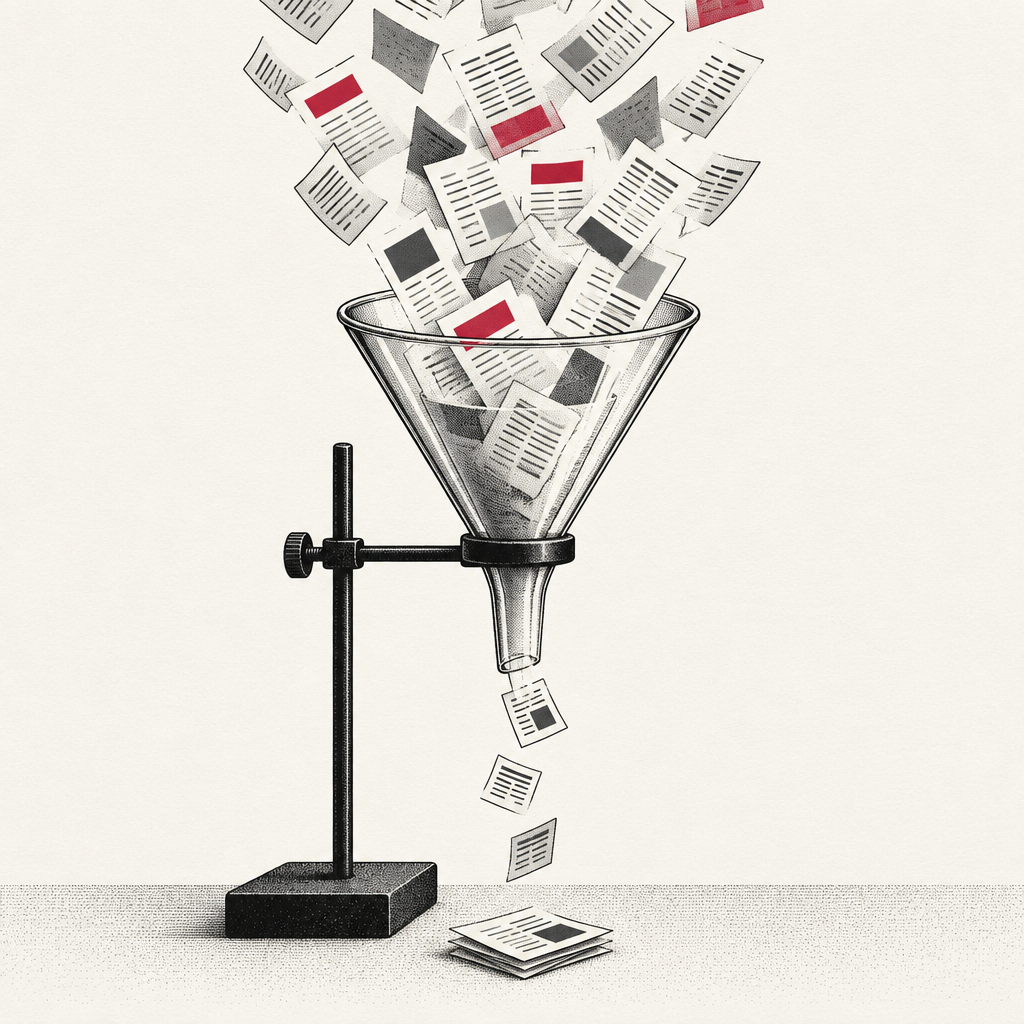
The first thing to internalize is that being read is not the same as being cited. An AirOps study of 548,534 pages across 15,000 prompts found ChatGPT cites only about 15% of the pages it retrieves. The other 85% are pulled in, evaluated, and quietly discarded. Perplexity behaves similarly: its Sonar layer typically fetches around ten pages per query and credits three or four.
Two implications follow. First, classic SEO is table stakes, not the finish line. Being indexable gets you into the candidate pool. Getting cited requires content the model can lift as a clean, attributable sentence. Second, citations are binary. There is no position three inside an answer. A brand is either named, quoted, or linked, or it is not, which puts a premium on quotable statistics and definitions that survive extraction intact.
The bar is also higher than most search leads assume. Roughly 60% of sources cited by AI tools are not in Google's top 10 for the same query. Ranking well and getting cited are correlated but not the same job.
ChatGPT Rewards Editorial Weight and Structured Data
ChatGPT dominates AI referral traffic. Conductor's 2026 benchmarks put its share at roughly 87.4% across major industries, which is why most GEO programs anchor on it first. Its retrieval layer runs largely through Bing, but the citation layer sits on top and is aggressive about re-ranking.
What actually gets cited splits into three buckets. Encyclopedic reference sits at the base: Wikipedia alone accounts for around 47.9% of ChatGPT's top 10 most-cited sources. Above that, a small band of editorial brands (Forbes, Reuters, NYT, Business Insider) does most of the analytical heavy lifting. And then there is a wire and professional layer that has quietly become material: LinkedIn corporate content and PR Newswire distribution now show up as direct retrieval inputs, particularly for named-entity queries about companies and executives.
The PR read is straightforward. Placements in tier-one business press still compound. So does a well-maintained Wikipedia entity and a credible executive presence on LinkedIn. Wire distribution, written off by many teams a few years ago, is worth re-costing when the release carries first-party data, a dated headline, a named author, and an executive quote the model can extract. This is where a disciplined digital PR program outperforms broadcast pitching: coverage in the sources ChatGPT actually leans on, not the ones with the biggest logos in a deck.
Perplexity Runs on Community Consensus and Freshness
Perplexity's citation mix looks nothing like ChatGPT's. Its top-cited sources are heavily community-driven, with Reddit accounting for roughly 46.7% of top Perplexity citations. Established news outlets, Wikipedia, and LinkedIn round out the top of the list, but the center of gravity sits closer to forums and long-thread discussion than to editorial commentary.
Two mechanics drive this. The first is cross-verification. Perplexity's reranker looks for the same claim appearing across multiple independent domains before it credits any of them. A single, uncorroborated source rarely survives the final synthesis step, which is why coverage clustered around a shared statistic or framing consistently outperforms one flagship placement. The second is freshness. On rapidly developing topics, the citation window can compress to 48 to 72 hours, and AI-cited content is 25.7% fresher than organic Google results, with ChatGPT itself citing URLs several hundred days newer than typical organic rankings.
The practical PR moves are different from a Forbes-first strategy. Land on the trade titles and analyst blogs that Reddit power users actually cite in threads. Publish original data early in a news cycle rather than a week later. And treat community presence as an owned surface: a real, sustained account inside the two or three subreddits your buyers read is worth more to Perplexity visibility than another guest post. Our note on community-led PR covers the mechanics without the ick.
Claude Grounds Answers in Documents You Control
Claude is the outlier of the three. It does browse in some product surfaces, but the more interesting citation vector is Anthropic's grounding stack for developers. Anthropic launched its Citations API in January 2025, letting the model attribute answers to the exact passages inside source documents supplied at query time. Early adopter Endex reported source hallucinations dropping from 10% to 0% and a 20% lift in references per response.
The implication for communications teams is that Claude citations increasingly live inside enterprise workflows: research assistants, internal knowledge bases, agent tools built on the Anthropic API. Getting cited there is a distribution problem, not a media problem. It rewards clean, well-structured PDFs, methodology pages, and reference documents that partners, analysts, and integrators can drop into their own systems. A media-friendly research methodology page that reads well to a journalist reads equally well to a retrieval pipeline.
For the open-web Claude surface, the same signals that carry weight elsewhere apply: authoritative outlets, clearly attributed quotes, and named authors with verifiable credentials. Claude tends to be conservative in what it cites, which puts a premium on E-E-A-T scaffolding around every asset.
The PR Moves That Actually Land Citations
Across all three engines, the tactical patterns converge more than the source lists suggest. A few moves do most of the work.
- Produce original numbers. Proprietary surveys, index reports, and benchmark data are the raw material of extractable sentences. A brand that owns a stat becomes the citation when that stat is used. Turn the same dataset into multiple earned media angles so it lands across several trusted domains, which feeds Perplexity's corroboration filter.
- Write for extraction. One-sentence definitions, tight comparison tables, and clean Q&A blocks get lifted verbatim. Bury the same fact in a narrative paragraph and it dies in the reranker.
- Fix your entity graph. Consistent name, founding date, headquarters, funding, and executive bios across your site, Wikipedia, LinkedIn, Crunchbase, and G2. Conflicting data across sources is one of the more common reasons a model quietly skips a brand.
- Ship quotable experts. Named authors with visible track records get weighted higher by every engine's trust layer. A comment-ready expertise system feeds both journalist requests and long-term citation share.
- Let the crawlers in. Allow OAI-SearchBot, PerplexityBot, and ClaudeBot in robots.txt and at the WAF layer. Server-side render the pages you want cited. This is the one lever that is fully in your control.
| Tactic | ChatGPT | Perplexity | Claude |
|---|---|---|---|
| Tier-one editorial placements | High | Medium | Medium |
| Wikipedia entity hygiene | High | Medium | Medium |
| Original data with multiple pickups | High | High | Medium |
| Active subreddit / forum presence | Medium | High | Low |
| Wire release with first-party stats | Medium | Low | Low |
| Structured methodology & reference docs | Medium | Medium | High |
| Named-author expert bylines | High | High | High |
How to Measure Whether Any of This Is Working
Citation share is the new rank tracking, and it needs its own instrumentation. Build a prompt set of 50 to 200 queries a buyer might ask about your category, your brand, and your competitors. Run them weekly across each engine, log which domains get cited, and track your own presence, sentiment, and link placement over time. Tools from Profound, Peec, and Similarweb cover most of this now, but a hand-rolled spreadsheet works for a first pass.
Two cautions. First, volatility is genuine. Reddit's share of ChatGPT responses swung dramatically in a two-week window in late 2025 after a Google parameter change, and single retrieval-provider tweaks can reshape citation mixes overnight. Treat any snapshot as provisional and re-measure often. Second, retrieval only fires on some queries. A meaningful share of ChatGPT sessions still answer from model weights, which means brand familiarity in the training data matters alongside real-time citation. The long-term work of steady coverage in high-authority outlets, the kind that improves both search and answer-engine visibility, is still the compounding asset. It is the same asset that brand momentum has always described, now with a new distribution surface attached.
Generative engine optimization is not a separate discipline bolted onto PR. It is PR with a sharper eye for what a retrieval system can actually pick up. The publications, the phrasings, and the release cadence that earn tier-one coverage are largely the same ones that earn LLM citation. The difference is that the reward now shows up in an answer, not a link.